Planting Guide
Thanks for offering hospitality to our vibrant land-loving plants! These photosynthesizing allies will arrive carefully packaged in USPS boxes or in reused salvaged materials with moist sawdust from a friend’s woodworking shop.
A few tips to consider before they get there:
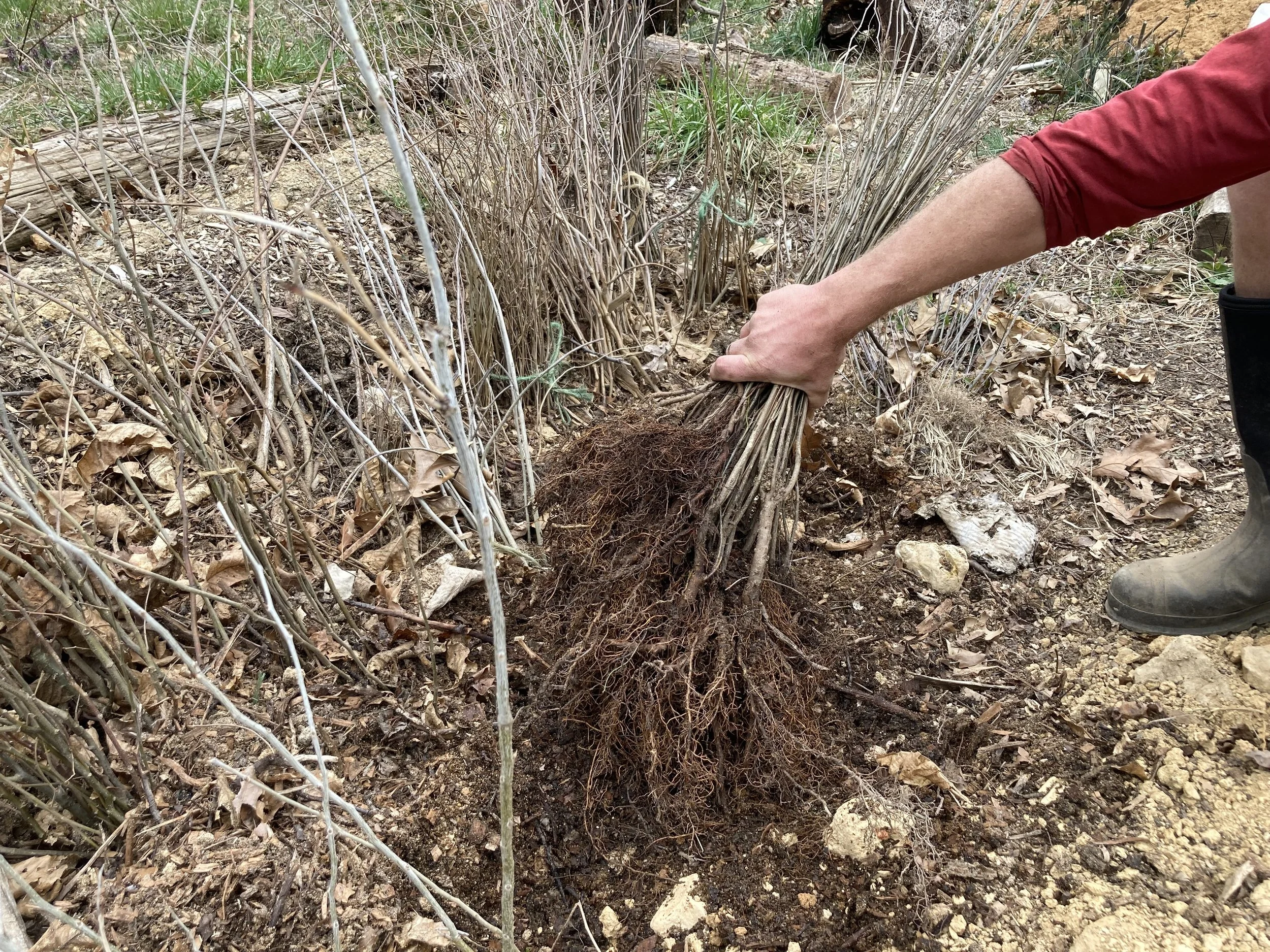
Know where you want to plant and prep the area! Same basic principles apply to shrubs, canes, and crown divisions. Check out the Arbor Day Foundation’s How to Plant Bare Root Trees for a short helpful guide to getting your trees comfortably in the ground using the pit method: a wide deep hole (square or circular) that allows you to spread out the roots, ensure the root collar is at ground level, remove grass in a broad swath around the plant, and then mulch. If you’re moving quickly with lots to plant, check out the notch method: slice or wedge a small opening into the soil with a spade or mattock; slip the tree inside with the tool blade still in the notch, the root collar at ground level, and the roots straight and splayed; and remove the blade so soil falls back inside and tamp it in place. The UK’s Woodland Trust offers a brief clear intro to three easy planting methods.
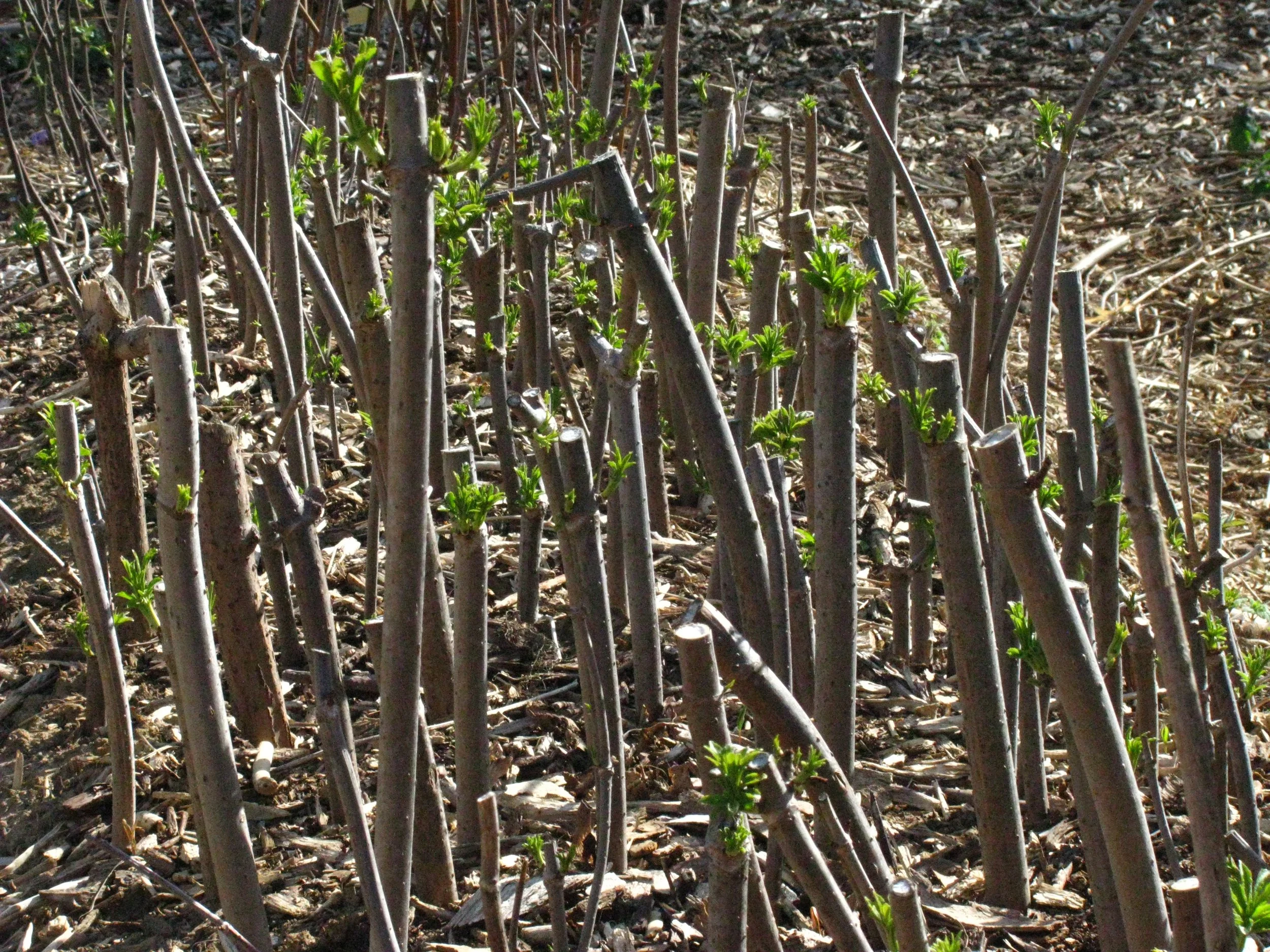
Root and stem cuttings can go straight into soil (notch planting is a very easy way to plant Comfrey roots), into the fridge with a damp towel or a cool dark room to keep them dormant, into water to grow roots (particularly Willow, Elderberry, or Red Twig Dogwood), or into pots or garden beds to grow out for a year before transplanting. Sticking cuttings straight into the ground is called live staking. Make sure that 80-90% of the stem is underground for soil contact and preventing aboveground sections from drying out (and even if you don’t, they’ll often do just fine).
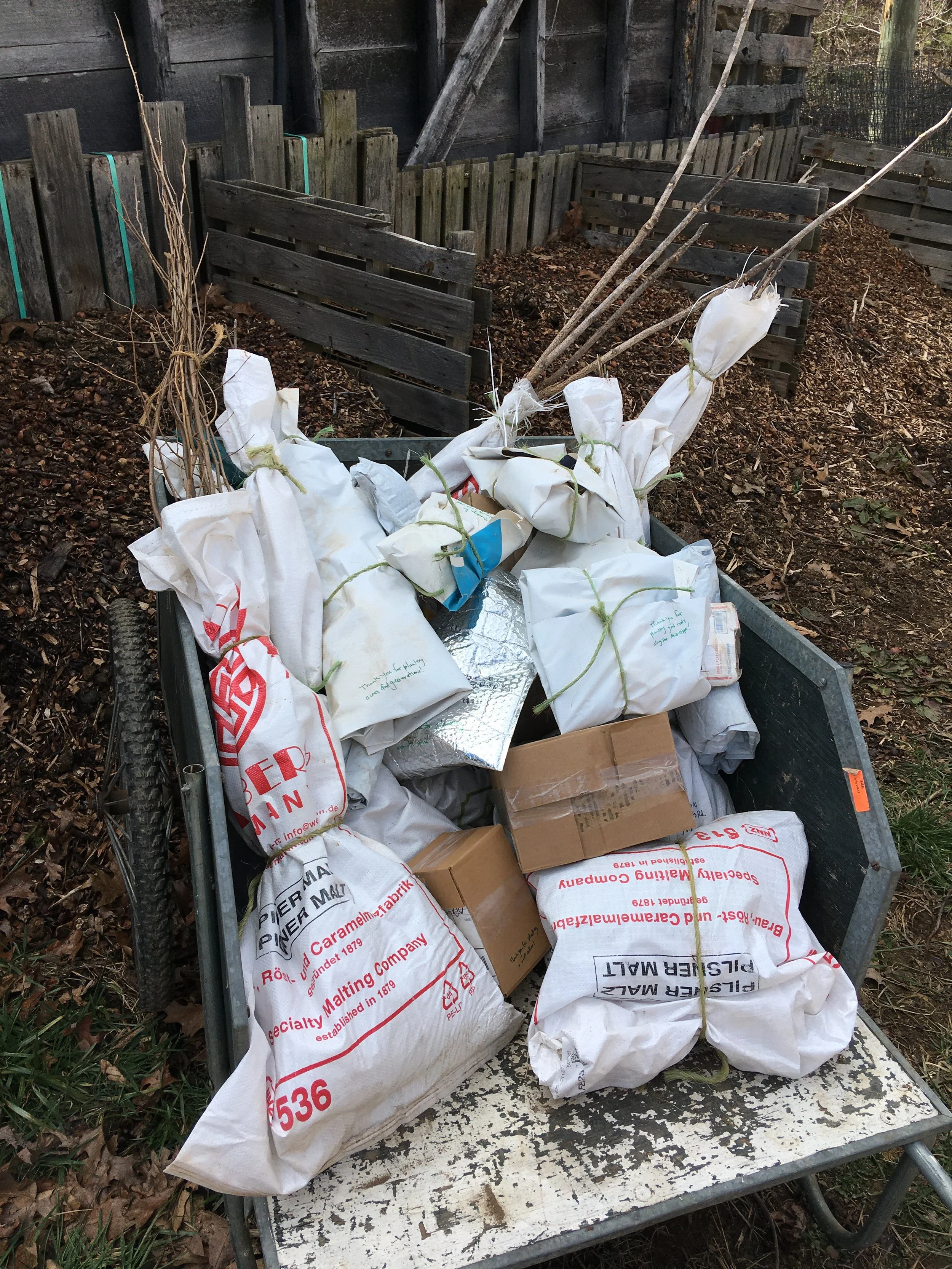
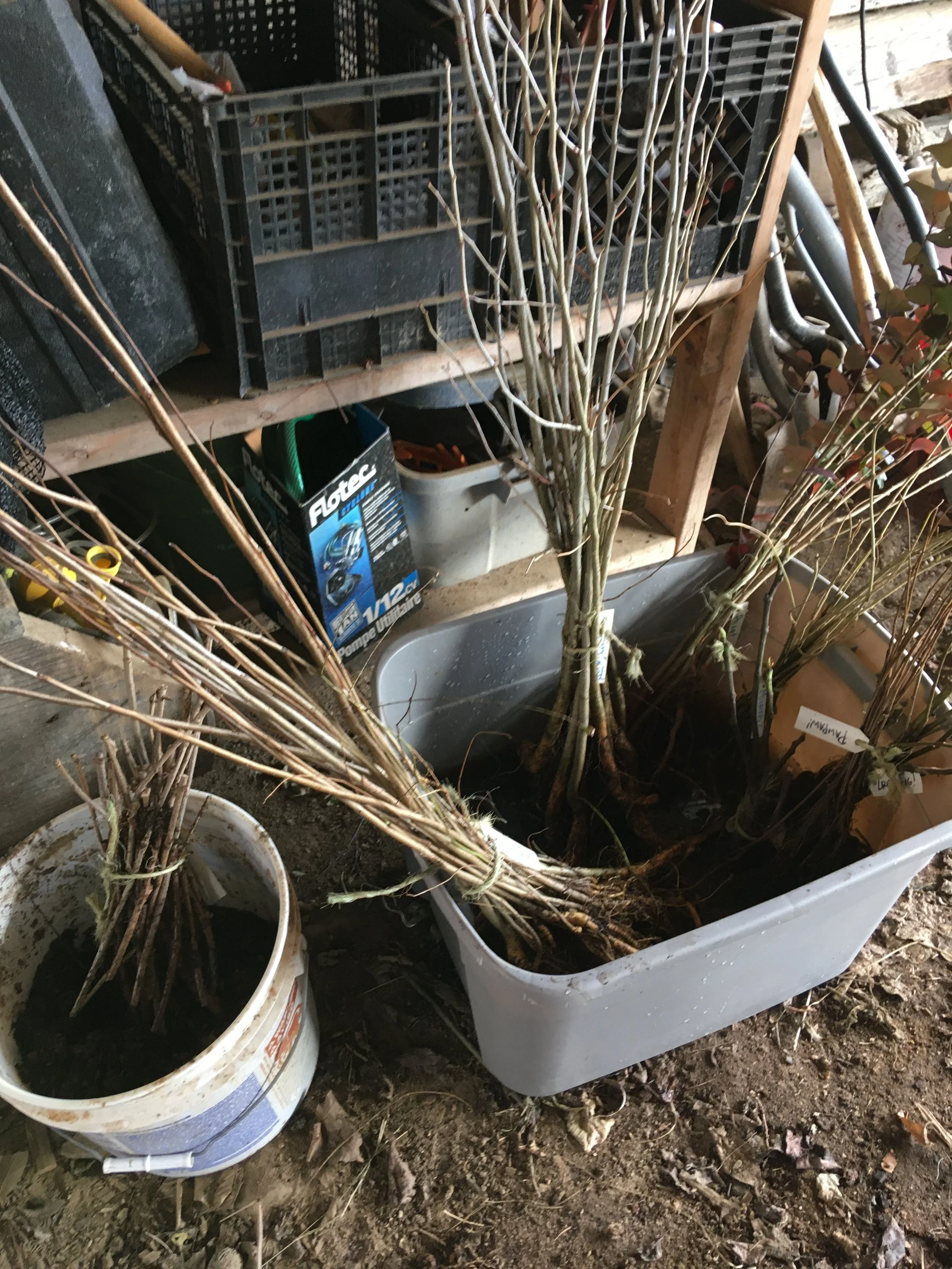
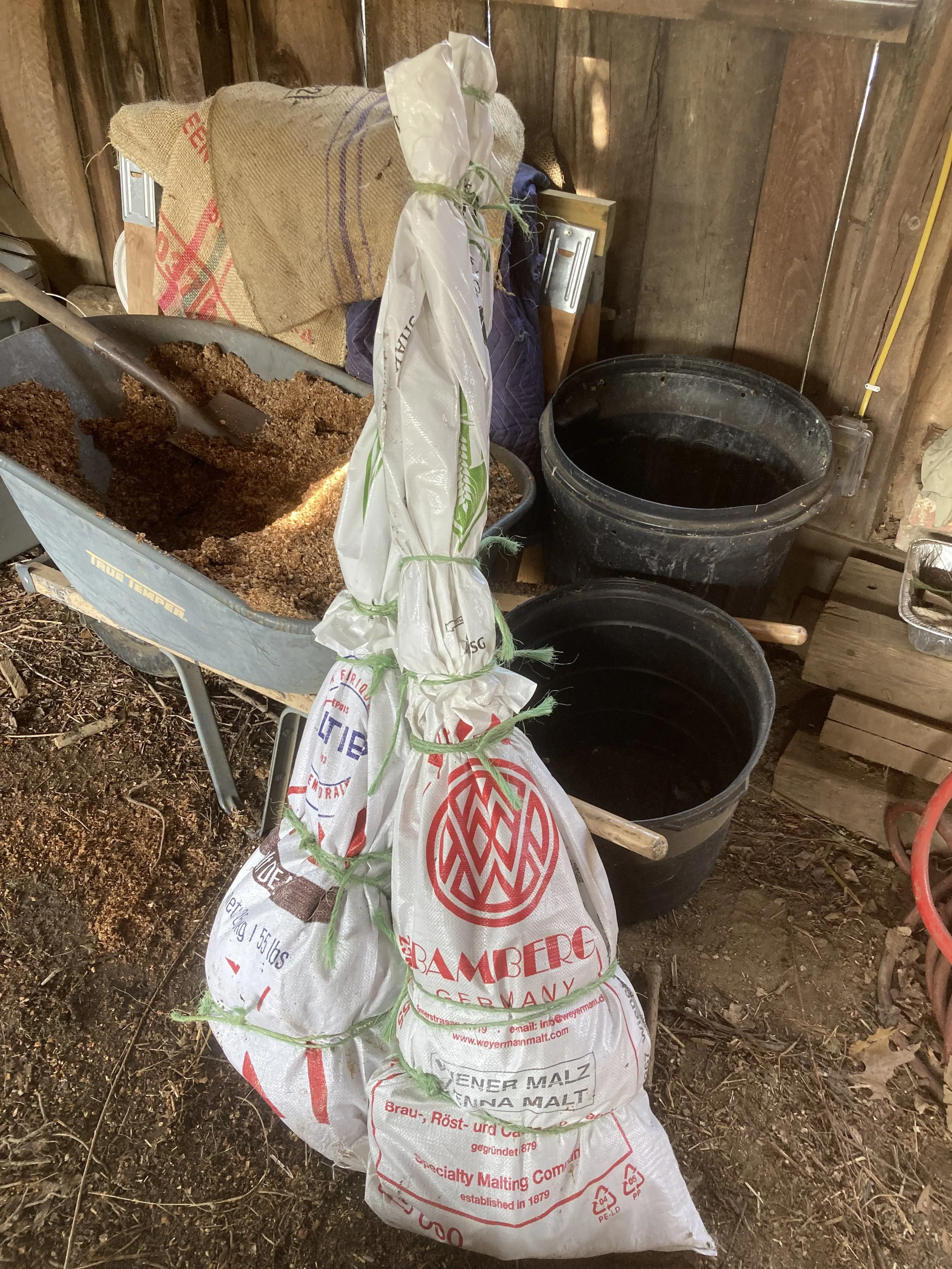
Plant as soon as you can! Get them out of the package and into cool water for a few hours after their long journey! As long as the ground isn’t frozen, plant them even if the weather’s cold; they’d much prefer to be in soil than indoors. After planting, water them well and dress with compost and/or fluffy mulch. Watering isn’t as crucial for bare root plants in the dormant season, but it can help settle the soil around the roots and mulching afterwards holds in the moisture and prevents freezing and overheating.
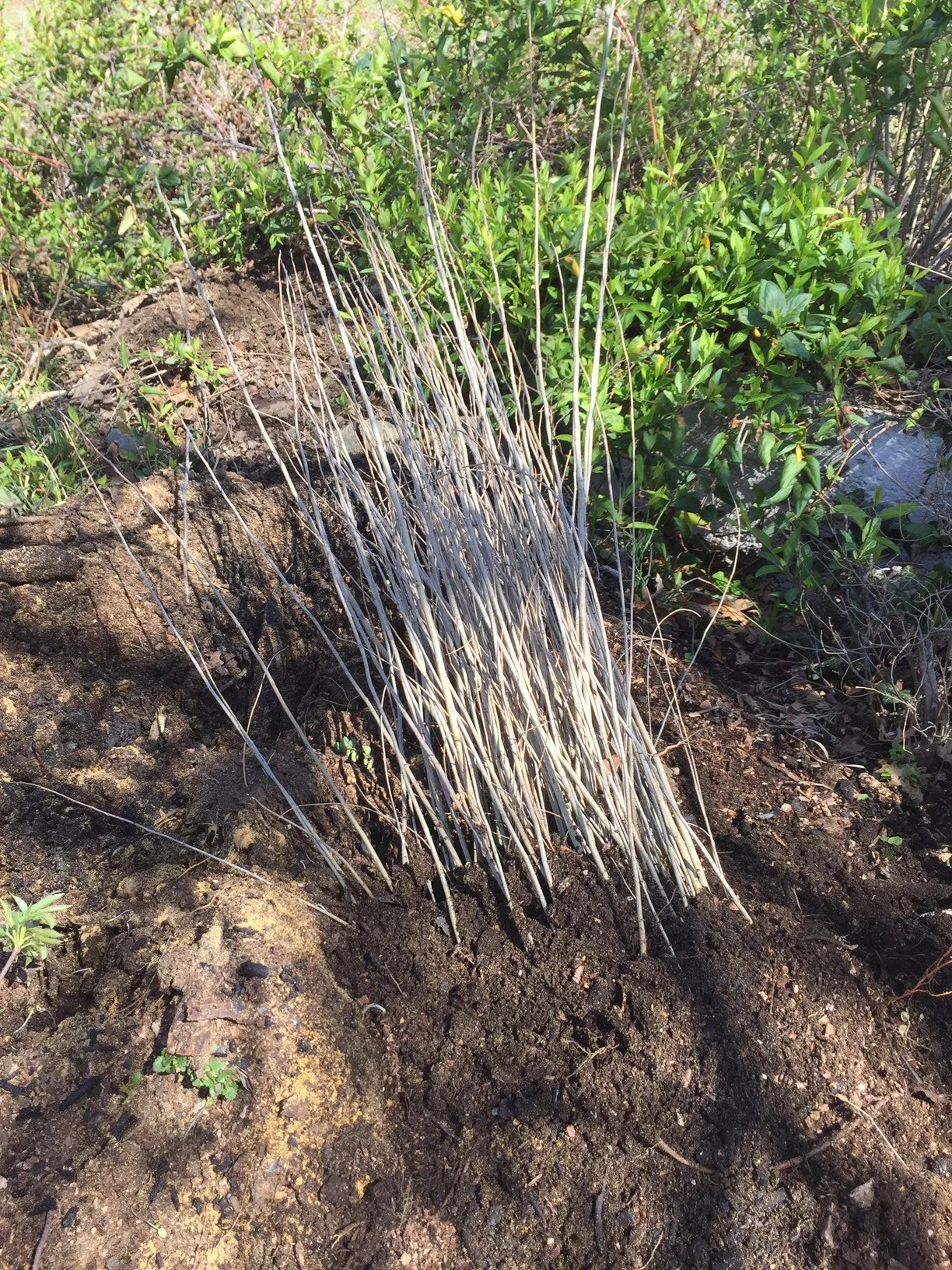
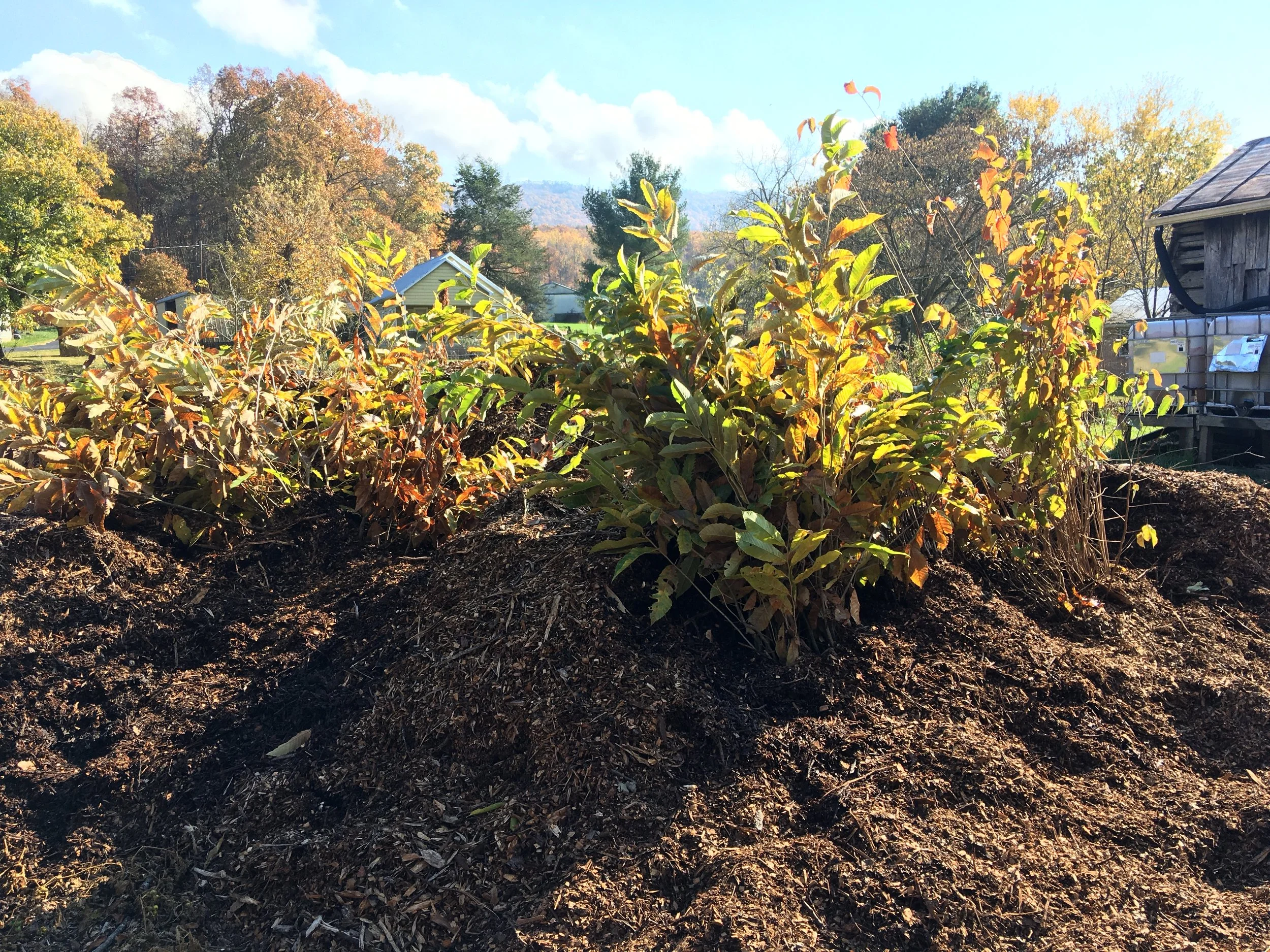
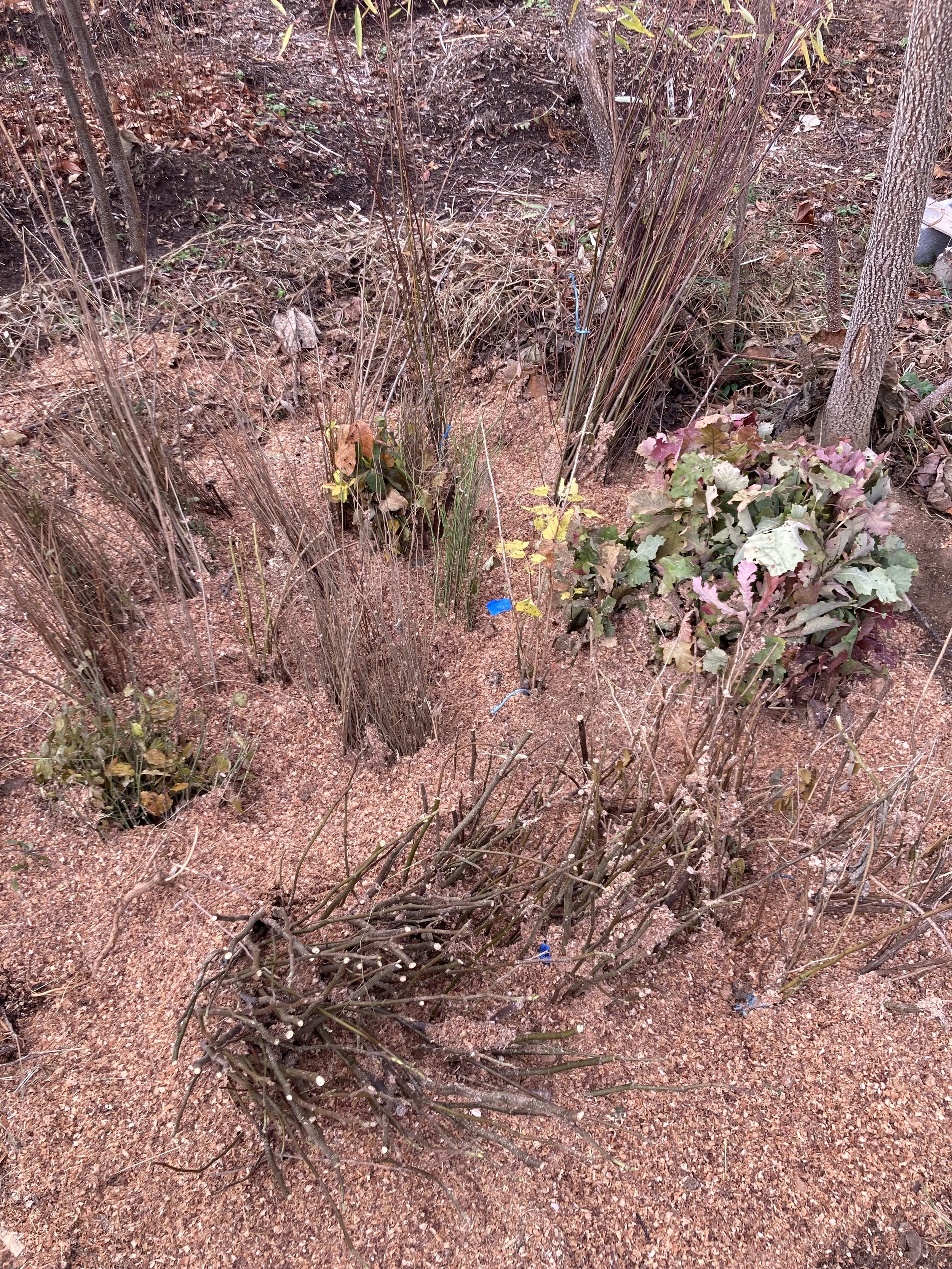
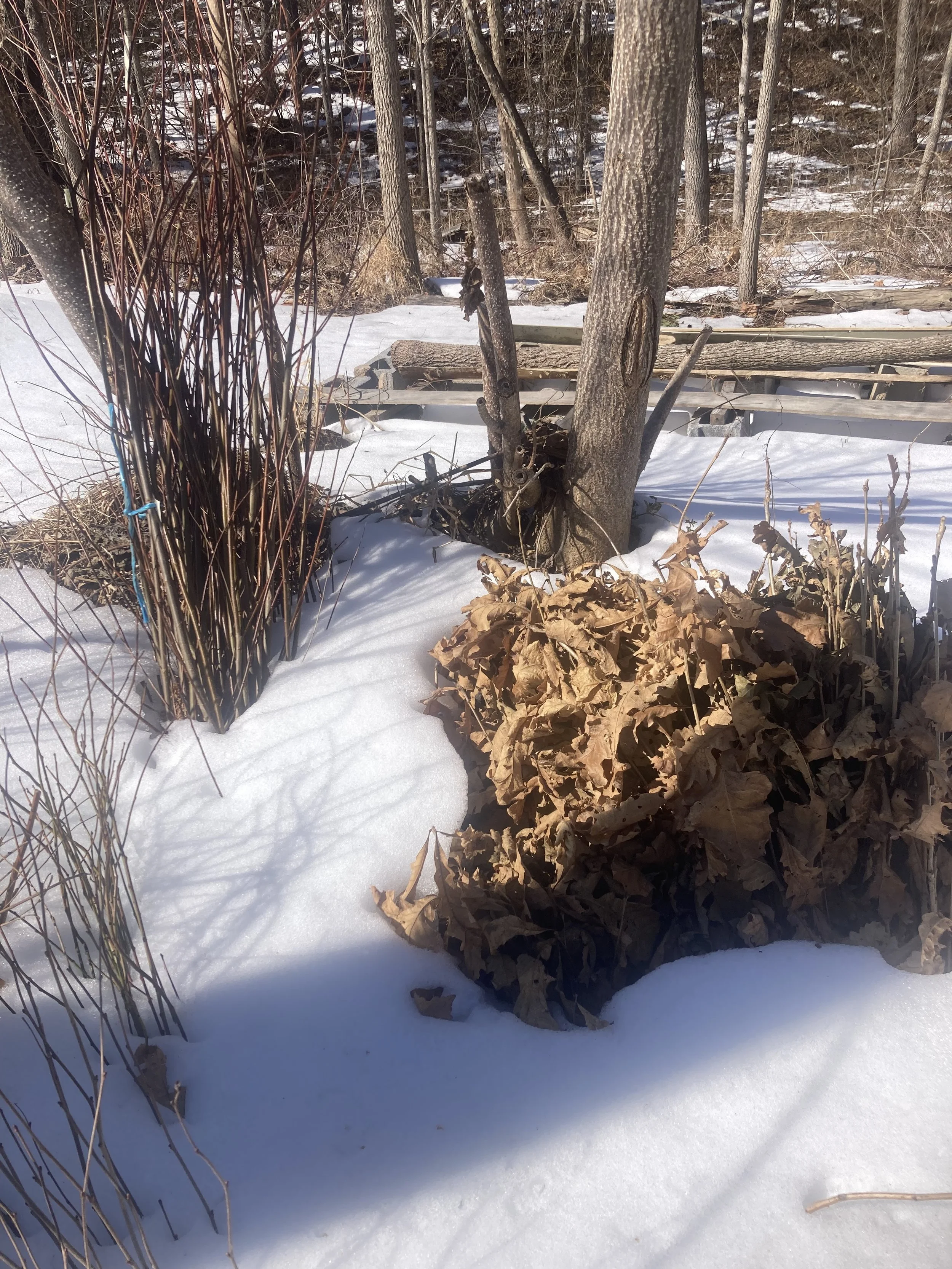
If you don’t know where they’ll go, heel them in, pot them up, or plant them in loose rich garden soil to grow out until you decide their long-term destination. Heeling in involves finding a shady area and digging a wide deep hole or trench, laying the roots down inside and tilting the tips at an angle, and covering the roots with soil, woodchips, or leaves and tamping in (with your heel!) to push out air pockets. This keeps the roots damp, dark, and protected from freezing. We overwinter hundreds of trees by heeling them into deep holes and woodchip mounds.
Protect your plants! Find out who else might like eating your plants and whether or not you need to establish healthy boundaries. Some growers like perforated plastic tree tubes. You can also rig up your own tree cages with old chicken wire, hardware cloth, or tomato cages with supporting stakes we cut. Those stakes can also be useful if you’re planting somewhere with strong winds. For larger plantings, consider deer fencing options.
Check out this tree care guide we helped make through Mycena Agroforestry Initiative!